What is a plant-starch softgel?
It is a flexible non-gelatin shell route evaluated for oil-based or low-water fills. It is different from a hard capsule used mainly for powders or granules.

JINCAPS evaluates plant-starch softgel shell compatibility for cosmetic oils, hair oils, omega oils, algae DHA/EPA, vitamin D3, CoQ10 and other oil-based projects.
It is not an empty hard capsule and it is not automatically compatible with every formula. JINCAPS reviews the shell and fill together, including water content, viscosity, volatile ingredients, dose, pack and destination-market requirements.
The technology is not a generic hard capsule or empty capsule offer. It is a softgel shell route for formulas that need a flexible capsule around oil-based contents.
| Format | Best use | Buyer question |
|---|---|---|
| Plant-starch softgel | Oil-based beauty formulas, hair oils, omega oils, vitamin oils and premium single-dose capsules. | Can my fill material work with the shell and target pack? |
| Gelatin softgel | Conventional supplement softgels where animal-origin gelatin is accepted. | Is animal-origin gelatin acceptable for the consumer and target market? |
| Hard capsule | Powder or granule fills, usually not the right first choice for oily cosmetic capsule formats. | Is the project actually an oil softgel or a powder capsule? |
A capsule project can fail if the website promises too much too early. JINCAPS uses feasibility language because oil, fragrance, viscosity, moisture and target packaging all matter.
Start with high-fit applications before testing edge cases.
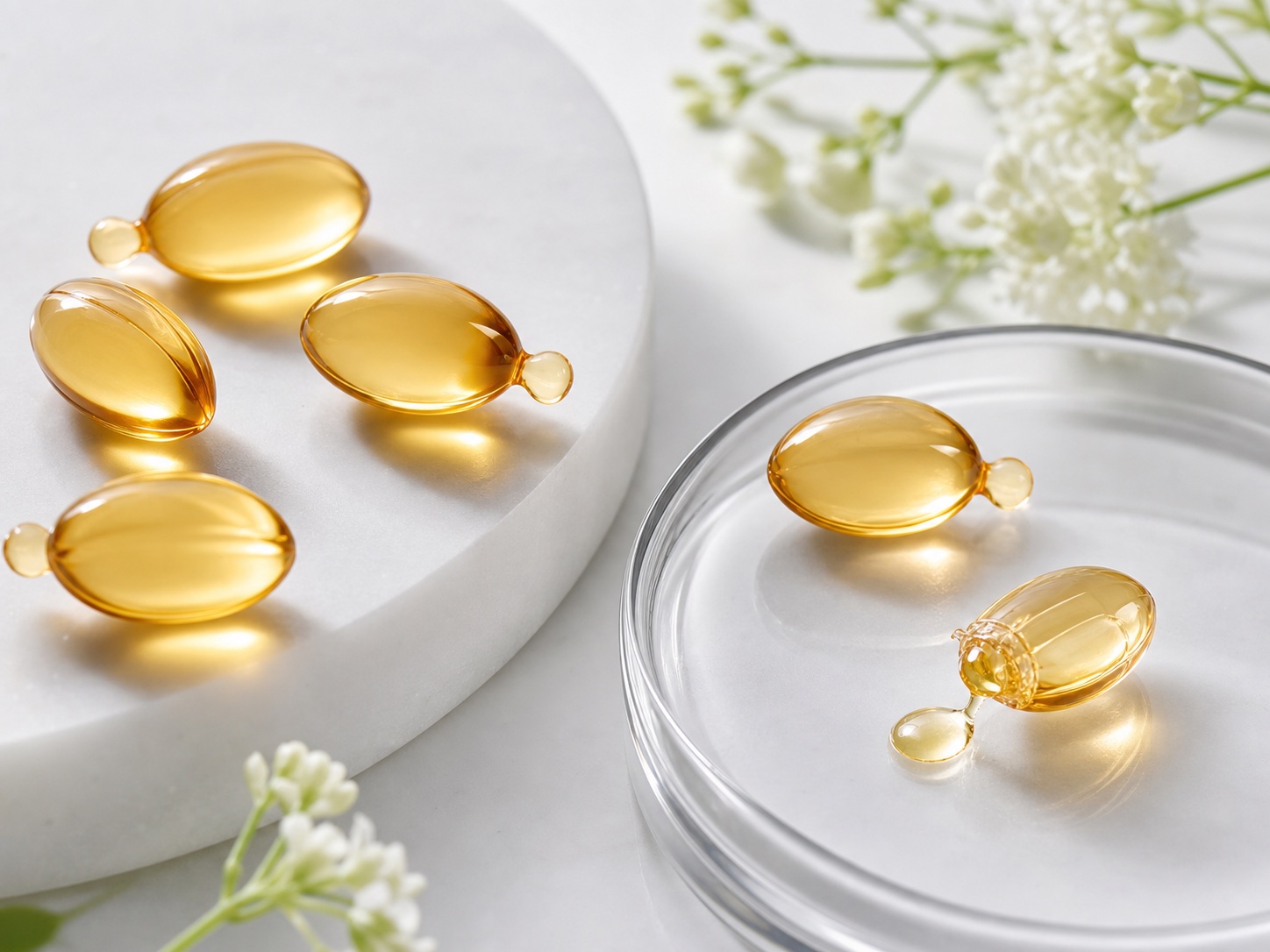
Single-dose cosmetic capsules for oil-based skincare formulas.
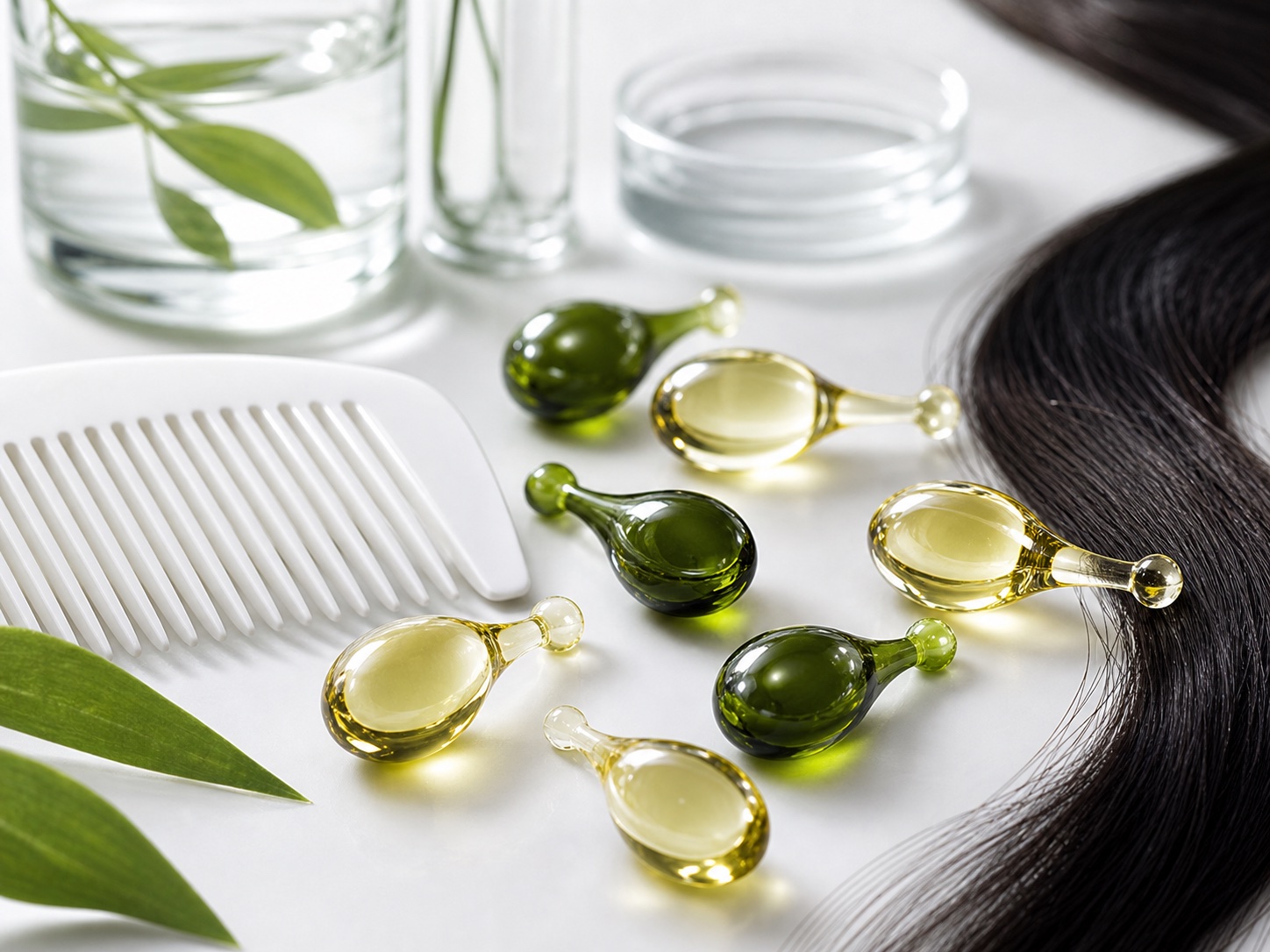
Premium hair oil formats for retail, salon and trial packs.

Oil-based actives such as fish oil, algae oil, D3, CoQ10 and astaxanthin.
Accurate wording protects both the buyer and the manufacturer before certification and testing are confirmed.
COA, specification, shell statement and sample notes when available.
Vegan, halal, stability, shelf life and target-market claims.
No FDA-approved, certified or clinical wording without evidence.

These answers define the technology route without claiming universal compatibility.
It is a flexible non-gelatin shell route evaluated for oil-based or low-water fills. It is different from a hard capsule used mainly for powders or granules.
No. Feasibility depends on oil composition, water content, viscosity, fragrance or volatility, fill weight, shell interaction and packaging.
No. Finished-product wording depends on the complete formula, excipients, processing aids, supply-chain documents, process and any required certification.